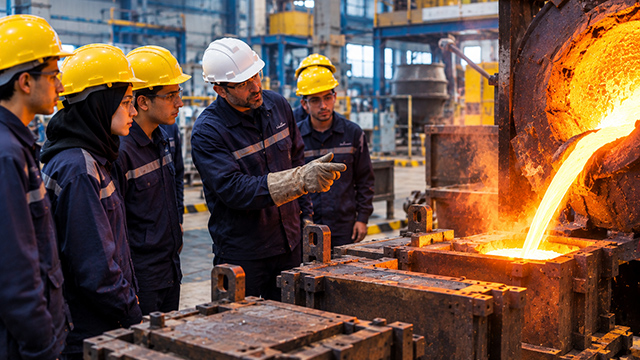

Every major industry, from the simplest tools to the most sophisticated aircraft components, begins at one essential point: the melting furnace. If you are looking for a field in which your expertise can serve as the foundation of countless industries, the Metallurgical Engineering in Metal Smelting and Casting program at Jahan Foulad Gharb University will take you to the very heart of industry.
What Is Metal Smelting, and Why Is It Essential?
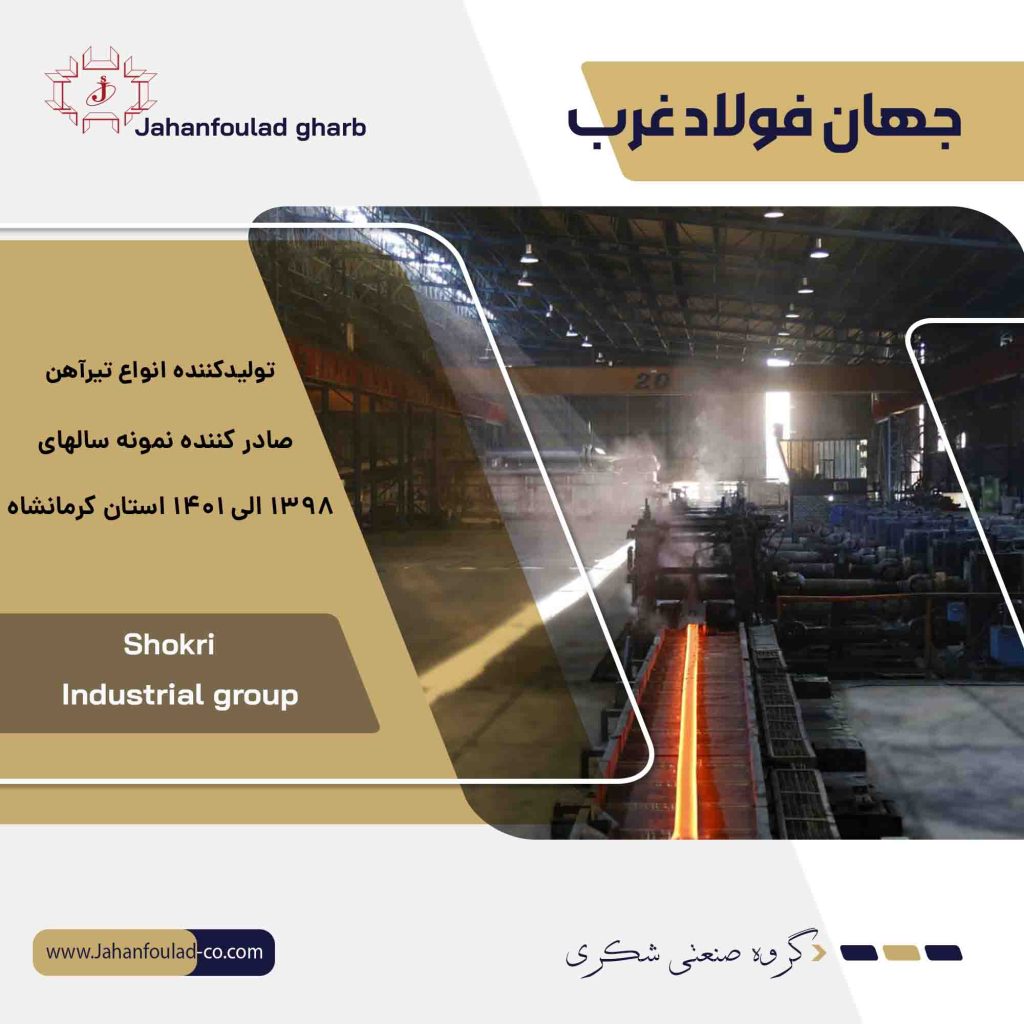
Melting is the first step in manufacturing any metal component. In this field, you will learn how to melt metals at extremely high temperatures, produce alloys with precise compositions, and use various molds to manufacture unique components. From automotive parts and power-generation turbines to medical equipment, countless products rely on the expertise of metal smelting engineers.
Metallurgical Engineering in Smelting and Casting offers a world very different from steel rolling. If rolling is about shaping, smelting is about creating. Smelting involves intense heat, fire, and transforming materials from a solid state into a liquid. A skilled smelting specialist is, in a sense, a “metal wizard,” determining which alloys are produced and what properties they will possess.
Why Is Studying at Jahan Foulad Gharb University an Advantage?
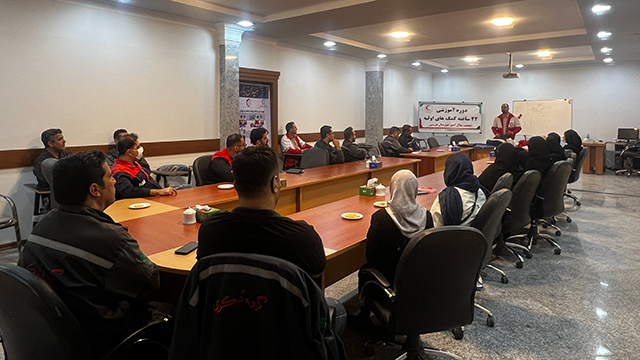
1- Hands-on Learning in a Real Industrial Environment: Rather than learning solely in a classroom, you will see how theory translates into practice alongside the large furnaces and advanced equipment at Jahan Foulad Gharb Company.
2- A Specialized and In-Demand Skill Set: Metal smelting specialists are relatively scarce in the job market compared with general engineers. This can give you a competitive advantage by allowing you to develop expertise in a specialized, high-value field.
3- Career Opportunities Across Multiple Industries: Steel plants, foundries, and industrial component manufacturers all need metal smelting specialists. This expertise can open doors to a wide range of industrial careers.
What Career Paths Can You Pursue After Graduation?
Metal Smelting Metallurgist: Specializes in designing alloys and controlling their chemical composition.
Casting Specialist: Designs molds and processes for transforming molten metal into finished components.
Quality Control Manager: Analyzes the microstructure of metals to help ensure strength and quality.
Furnace Optimization Specialist: Focuses on reducing energy consumption and improving production efficiency.
At Jahan Foulad Gharb University, you do more than earn a degree—you learn the art and science of creating metal.