Introduction to IPE Beams
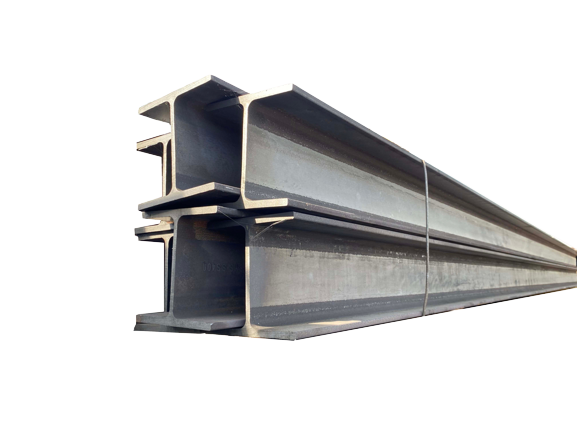
Steel beam is one of the most important and widely used structural steel sections, featuring a cross-section shaped like the English letter “I”. It is a key element in steel building frameworks and plays a major role in bearing and transferring loads applied to the structure. The cross-section of a steel beam may vary depending on the profile type, but in all cases it consists of two main parts—flanges and a web. The dimensions and geometry of these two elements determine the beam size. Due to its shape and mechanical properties, the steel beam is used in a wide range of applications; one of these types is the IPE profile.
IPE steel beam, short for “I Profile European”, is a type of beam with parallel flanges manufactured according to standard EN 10365. It is one of the most commonly used steel sections in the market, and its cross-section resembles the English letter “I”. Many structures designed and constructed in Iran use this type of beam.
In a steel beam, the vertical central section is called the web, while the two horizontal sections are called the flanges. The web mainly resists shear forces, while the flanges are responsible for carrying bending moments.
A key characteristic of IPE steel beams is that the thickness of both the web and flanges remains uniform along the entire length of the section. Standard heights of these beams range from approximately 80 to 600 mm, while in the Iranian market, the most common sizes are generally between 100 and 300 mm.
Introduction to Types of IPE Steel Beams Based on Iranian National Standards
In Iran, IPE steel beams are produced based on the Iranian National Standard INSO 1791 and are generally divided into two categories: Heavy IPE and Semi-Light IPE. Both types have a similar appearance and feature parallel flanges with uniform thickness, but they differ in mechanical and weight properties. Each type is introduced below along with its distinguishing features.
Heavy IPE Beam (Hot-Rolled Semi-Wide Flange Heavy Beam I2)
Heavy IPE beams have greater thickness in both the web and flanges compared to semi-light types. This results in higher unit weight, greater bending capacity, and improved shear resistance. These beams are typically used in projects with higher loads or longer spans, such as industrial structures, bridges, and multi-story steel frames.
Features:
Manufactured in accordance with Iranian National Standard INSO 1791
- Greater variety of sizes compared to semi-light IPE beams
Higher web and flange thickness than semi-light type
Higher specific gravity per meter length
Greater load-bearing capacity and mechanical strength
Suitable for heavy-duty and industrial structures
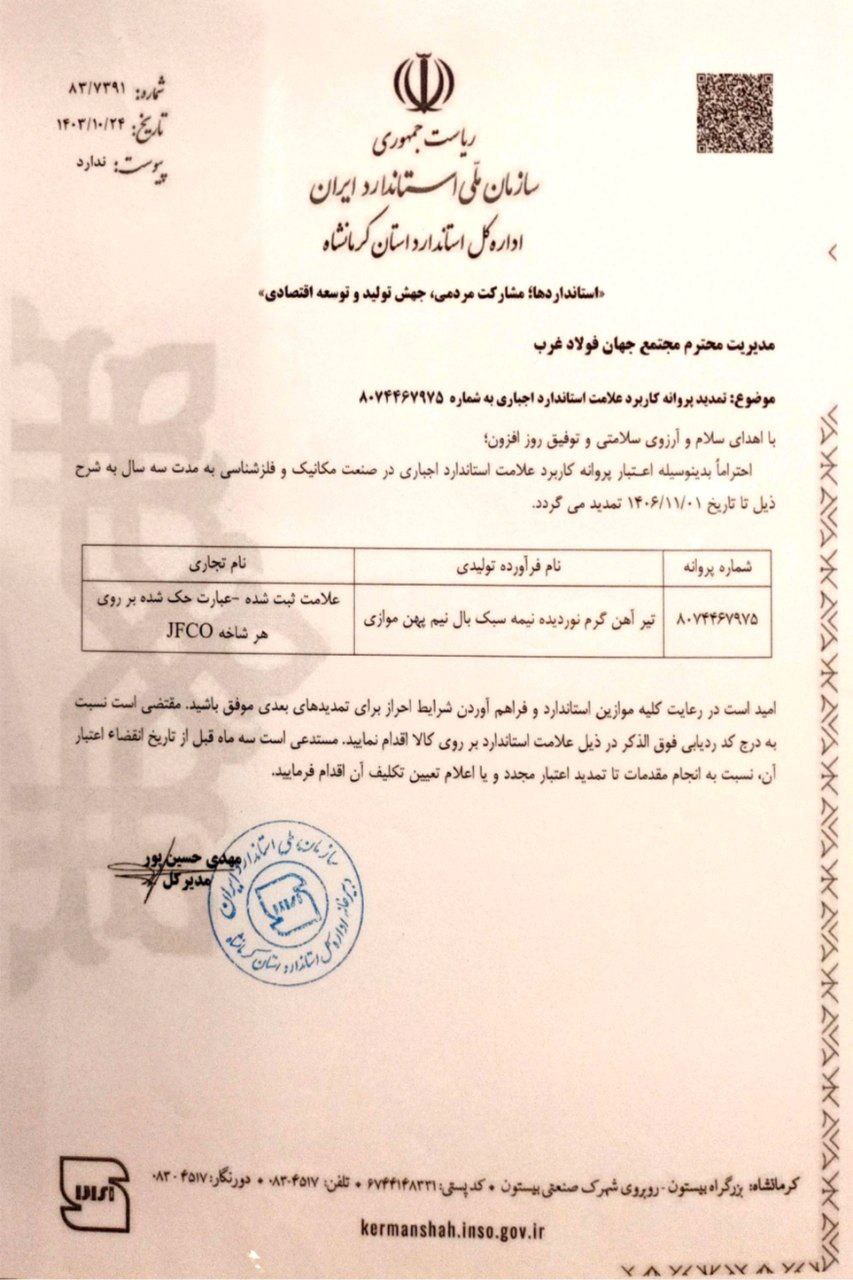
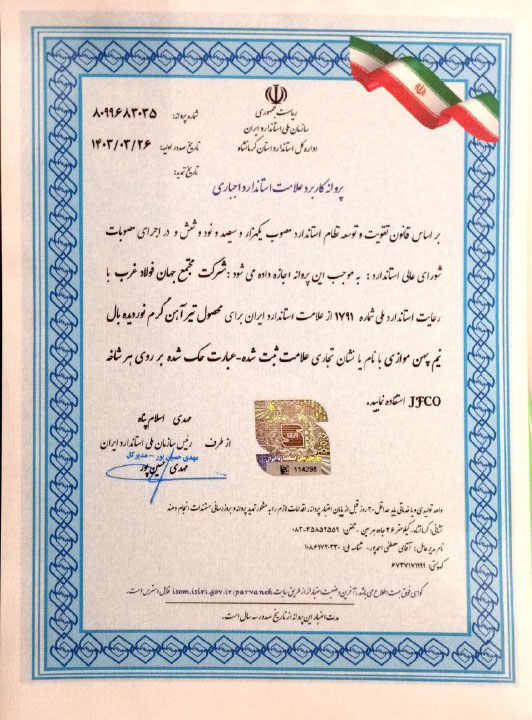
The company Jahan Foulad Gharb has obtained this certification from the National Standards Organization of Iran and is capable of producing IPE beams in a wide range of sizes.

Semi-Light IPE Beam (Hot-Rolled I-Beam with Medium-Width Flanges – I7)
Semi-Light IPE Beams have the same overall profile as the heavy type, but their Flanges and Web are thinner. This reduced thickness results in a lower unit weight per meter, helping to reduce the overall cost of the structure.
These Steel Beams are commonly used in residential buildings, light commercial projects, and conventional structures with moderate load requirements.
Features:
Manufactured in accordance with the Iranian National Standard INSO 16348
Reduced Flange and Web thickness compared to the heavy type
Lower unit weight per meter
More economical for lightweight construction projects
Easier installation due to lower weight
Applications of IPE beam
Due to the widespread use of steel structures in the construction industry, IPE Beams are the most commonly used Steel Beam sections in Iran. Their suitable bending resistance, manageable dimensions, and lower overall cost compared to other structural sections have made them a preferred choice among structural engineers and designers for civil and industrial projects.
In building construction, IPE Beams are used as columns, lintels, and trusses. They are also widely used as floor beams and in the construction of cellular beams for bridge applications. The most commonly used sizes in building construction include IPE 160, IPE 140, and IPE 200.
Physical Specifications of IPE Steel Beam
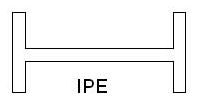
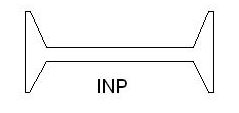
The primary difference between IPE and IPN Beams is the Flange thickness. In IPE Beams, the Flange thickness remains constant along the entire length of the section. In contrast, IPN Beams have Flanges that are thicker near the Web and gradually taper toward the edges.

Steel Beams are generally designated according to their section height in millimeters. For example, an IPE Beam with a section height of 200 mm is designated as IPE 200.
Manufacturing of IPE Beams by the Hot Rolling Process
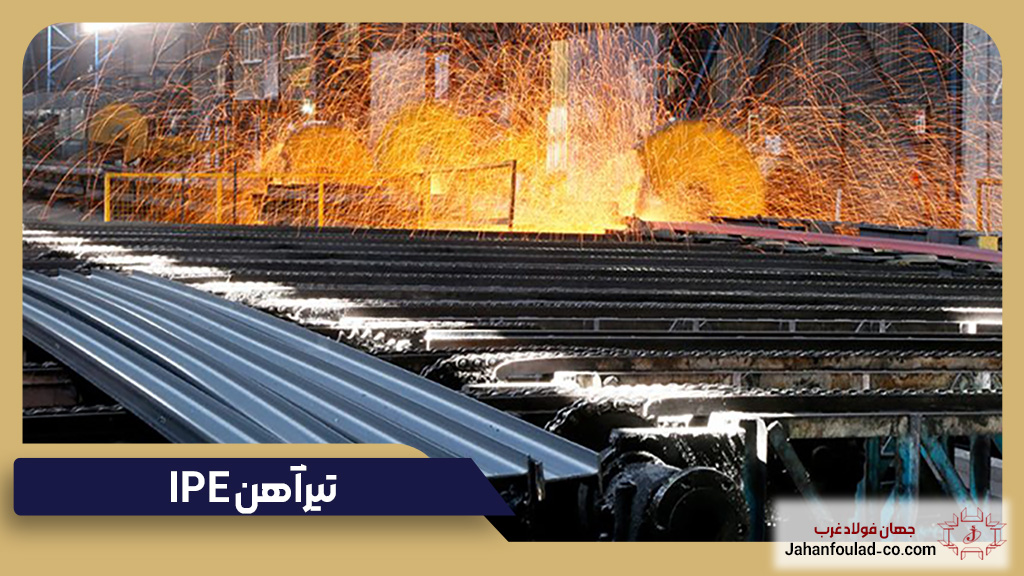
In the Hot Rolling process, steel Bloom is heated to approximately 1,300°C before passing through a series of rolling stands. During the initial rolling stages, the height of the Bloom is reduced while its length increases. In the intermediate and finishing stands, horizontal and vertical rolls gradually form the cross-section, including the Web and Flanges. The finished Steel Beams are then cut into standard lengths, straightened, and packaged after the straightening process.
The steel used for manufacturing IPE Beams is typically low-carbon structural steel produced in grades such as S235JR, S275JR, and S355JR, in accordance with the applicable standards. The primary chemical elements in these steels include carbon, manganese, silicon, phosphorus, and sulfur.
This chemical composition provides an optimal balance of strength, formability, and weldability, making IPE Beams one of the most widely used structural steel sections in building and industrial construction.
Technical specifications of IPE beam
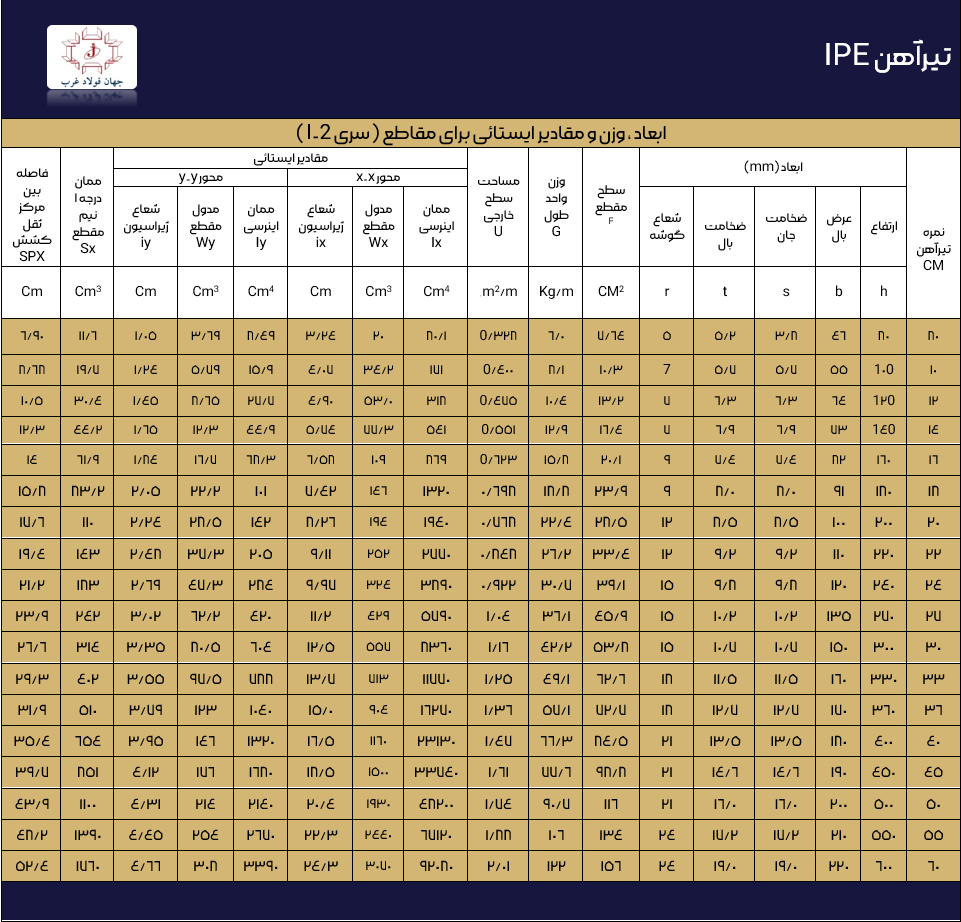
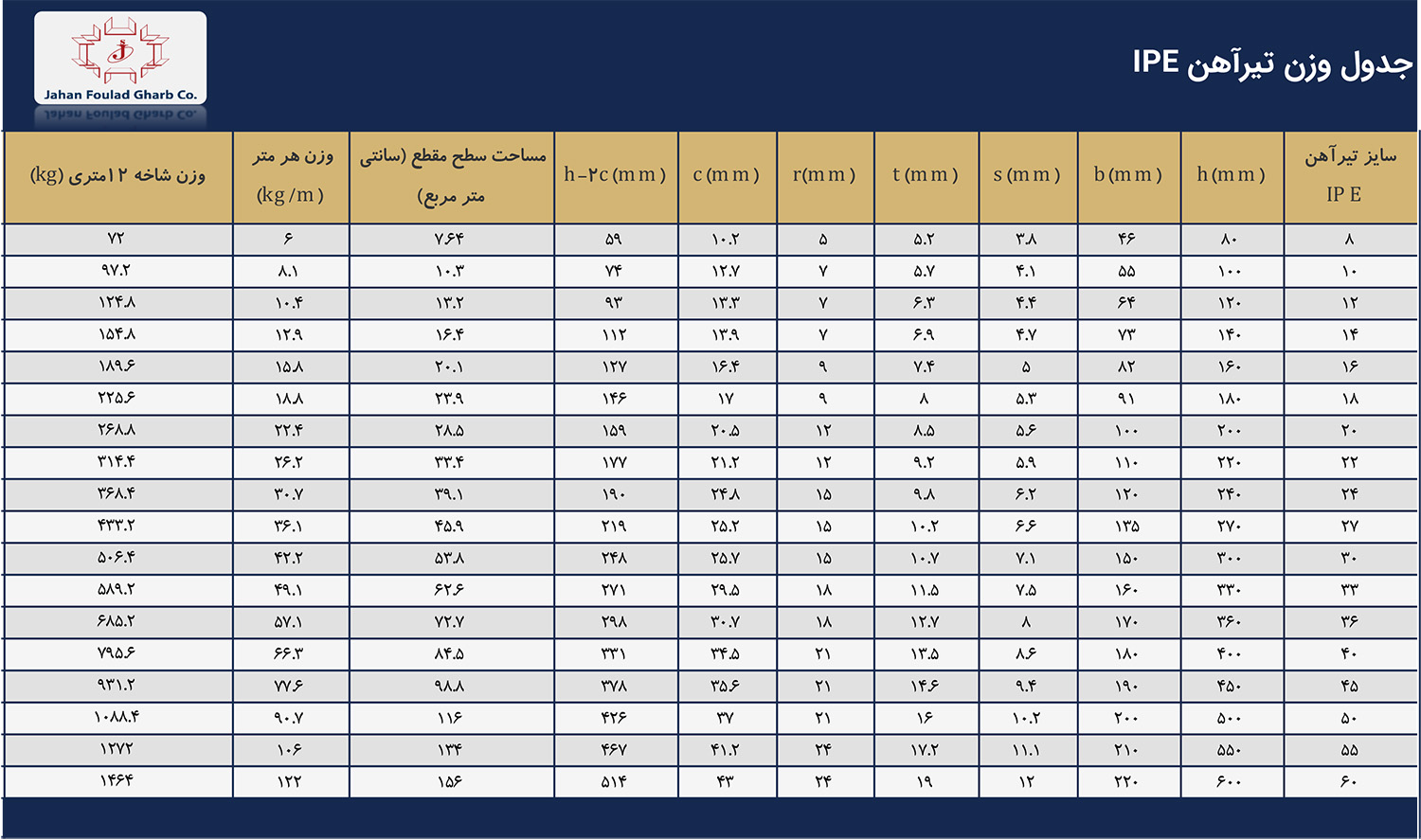
The Stahl Table for IPE Beams is one of the primary references used by civil engineers and structural designers. In addition to geometric and dimensional data, it specifies the standard weight of each beam size.
The weight of an IPE Beam depends on its cross-sectional dimensions, including the Web height, Flange width, Web thickness, and Flange thickness. For each section size (such as IPE 120 or IPE 200), the standard weight is specified in kilograms per meter in the table. In practice, the actual weight may vary slightly from the standard values due to manufacturing tolerances among different producers.
IPE Beams are typically manufactured and supplied in 12-meter lengths.
Advantages and disadvantages of using IPE beams
Like all structural steel sections, IPE Beams have specific technical advantages and limitations. Understanding these characteristics helps engineers make more effective design and construction decisions.
Advantages of IPE Beams
Excellent Bending Resistance
The parallel Flange design of the IPE section increases its moment of inertia and bending resistance, providing reliable structural performance in building and industrial applications.Optimized Weight and Standard Dimensions
IPE Beams offer an excellent strength-to-weight ratio, making them lighter and more economical than heavier structural sections.Easy Installation and Fabrication
The uniform, standardized shape of the section simplifies cutting, drilling, welding, and bolted connections, reducing construction time.Cost-Effective and Efficient Steel Consumption
Due to their widespread domestic production and extensive use, IPE Beams offer a more economical solution than many other structural steel sections.Compliance with the Iranian National Standard
These Steel Beams are manufactured in accordance with Iranian National Standard No. 1791, ensuring high reliability in terms of quality, dimensions, and mechanical properties.
Disadvantages of IPE Beams
Reduced Performance at High Temperatures
Steel loses a significant portion of its yield strength and bending resistance when exposed to high temperatures—typically above 500–600°C. As a result, structures without fireproofing or thermal insulation are at greater risk of deformation and reduced structural stability during a fire.Susceptibility to Corrosion
In humid, industrial, or chemically aggressive environments, Steel Beams are prone to corrosion unless protected with anti-corrosion coatings, epoxy paint, or galvanization. Corrosion can reduce the beam’s mechanical durability and service life. This issue is particularly important in the northern and southern regions of Iran, where high humidity or saline conditions accelerate corrosion.